The Art of Atmosphere: Why Environment Matters in Any Business!
When people think about what makes a business successful, they usually point to product, pricing, or service. What’s often overlooked is something less tangible, but just as powerful: atmosphere.
Atmosphere is the feeling someone gets the moment they walk into your space, visit your website, or interact with your brand. It’s not always something they can clearly define, but it’s something they will absolutely remember.
And more importantly, it influences whether they come back. In this day and age, retention is the name of the game!
Atmosphere Shapes Perception Before Anything Else
Before a word is spoken or a product is experienced, people are already forming opinions. Does this feel elevated or ordinary? Is this welcoming or intimidating? Does this align with who I am, or who I want to be?
These impressions happen instantly, and they set the tone for everything that follows.
It’s Not Just Design… It’s Intentionality
Atmosphere is often mistaken for décor. While it certainly plays a visual role, true atmosphere is built through alignment.
It’s the combination of:
● Lighting and layout
● Music and pacing
● Team energy and tone
● Brand voice and communication
When these elements work together, the client experience feels seamless. When they don’t, something feels “off”, even if everything looks right on paper.
Designing for Emotion: A Personal Approach
Vault Expansion
The original Vault Seafood & Steakhouse was exactly what it needed to be at the time—cozy wood wrapped walls, smaller, intimate. It had a warmth to it that people connected with. 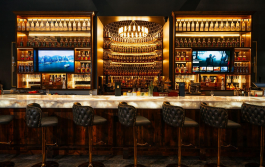
But when we decided to knock out walls and expand, I knew one thing immediately: I didn’t want more of the same. Most expansions play it safe: replicate what works, and stretch it across a bigger footprint. That wasn’t my goal. I wanted an intentional shift. I wanted contrast… because predictability doesn’t create memories, contrast does.
Instead of extending the original aesthetic, I chose to shift it. Darker. More elevated. More intentional. Something that would make our returning guests stop for a second when they walked in. Something that felt familiar, but clearly different.
I wanted that moment of, “Wait… this is Vault?”
Because that pause—that surprise—is what people remember!
La Rouge Speakeasy
When it came time to introduce La Rouge Speakeasy, I wasn’t interested in creating a “back room” or a subtle add-on. If we were going to do it, it had to feel like stepping into a completely different world.
Not an extension. An experience.
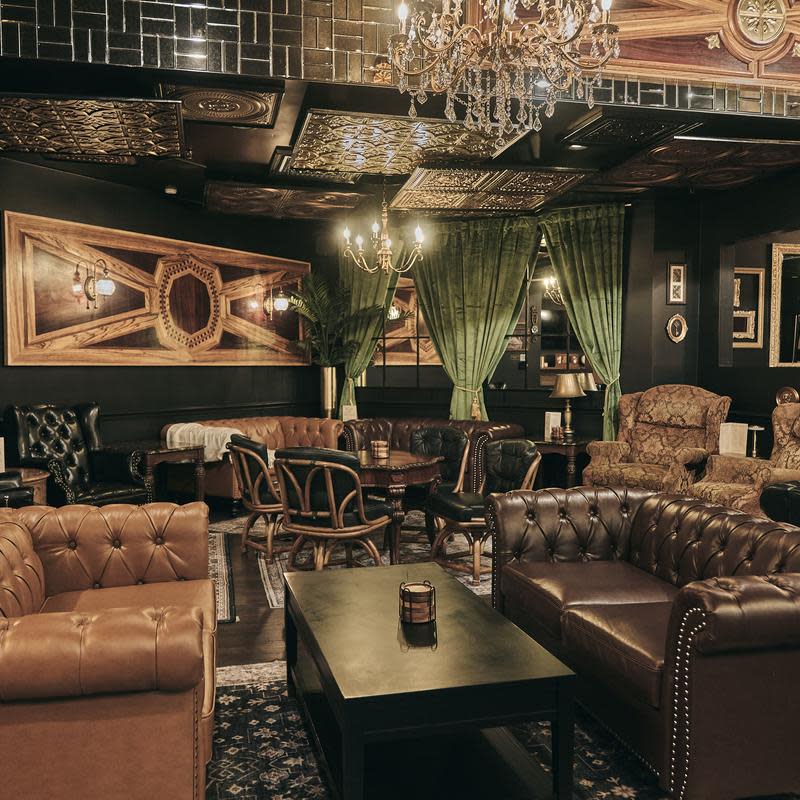
It was about marrying Vault’s elevated ambiance with a darker, masculine-driven foundation with something softer, more layered—an atmosphere that felt like old-age elegance with a subtle sense of sultry glamour.
Gold mirrors. Chandeliers. Crushed velvet. The low hum of swing music.
For me, that contrast is what makes a space memorable. There’s something powerful about walking into an environment that feels strong and structured, yet still invites a sense of softness and femininity. It shifts how you carry yourself. It changes how the experience feels. And that’s exactly the point.
Every Business Has an Atmosphere—Whether It’s Designed or Not
This concept isn’t limited to restaurants or hospitality.
Walk into any business—salon, office, retail space, even a website—and you’ll feel something immediately. Most of the time, that feeling is accidental, or unintentional.
And that’s the problem.
Because if you’re not intentionally creating an atmosphere, you’re leaving one of your strongest business tools completely untouched.
An unintentional atmosphere can feel inconsistent or forgettable. An intentional one creates clarity, confidence, and connection.
People Return to How You Made Them Feel
Customers may forget details, but they remember emotion.
They remember:
● Whether they felt taken care of
● Whether the space felt comfortable or inspiring
● Whether the experience felt worth repeating
If your space feels like everything else, you’ll be treated like everything else.
But when you create contrast—when you make people pause, adjust, take it in—you create something they remember.
And in business, memory is what drives loyalty.